Understanding PMADs: When Pregnancy and Postpartum Feel Different Than Expected
Learn what Perinatal Mood and Anxiety Disorders (PMADs) are, who may be at higher risk, and how recognizing the signs can help families find the support they need.
Birth is powerful, natural, and sacred. Hospitals can save lives when needed, but birth should not automatically be treated as an emergency. This post explores why doula support matters in protecting autonomy, trust, and informed care.
Birth Is Not Always an Emergency: Why Support Matters
In the United States, birth is often treated as something that must be managed, controlled, hurried, and monitored at every turn. I believe hospitals are important. I believe medical care saves lives. I believe surgical birth, induction, medication, and intervention all have a place when they are truly needed.
But I also believe we have lost trust in the natural process of birth.
When I read Birth Ambassadors, one section stopped me in my tracks. It spoke about how many women in the United States give birth through surgery, how many labors are medically induced, and how few women experience birth in a position they choose, with continuous support, nourishment, and trust in their body’s own hormones and rhythm. That passage put words to something I have felt deeply: birth in this country is too often approached as a high-risk emergency before it ever becomes one.
That does not mean every birth should happen without medical care. It does not mean hospitals are bad. It means we need to ask an honest question: Are we supporting birth, or are we interfering with it?
Physiologic birth requires more than a birthing person simply being told to “relax.” It requires an environment where they feel safe. It requires patience. It requires being allowed to move, breathe, eat or drink when appropriate, change positions, ask questions, and be treated as the central decision-maker in the room. It requires care providers who understand that the body is not failing simply because birth is taking time.
Too often, the birthing person is placed into a system where the clock becomes louder than their body. Labor is expected to progress on a schedule. Interventions can begin to stack one on top of another. A person may enter the hospital with hopes for a certain kind of birth, only to find that once labor intensifies, advocating for themselves becomes difficult.
That is where doula support matters.
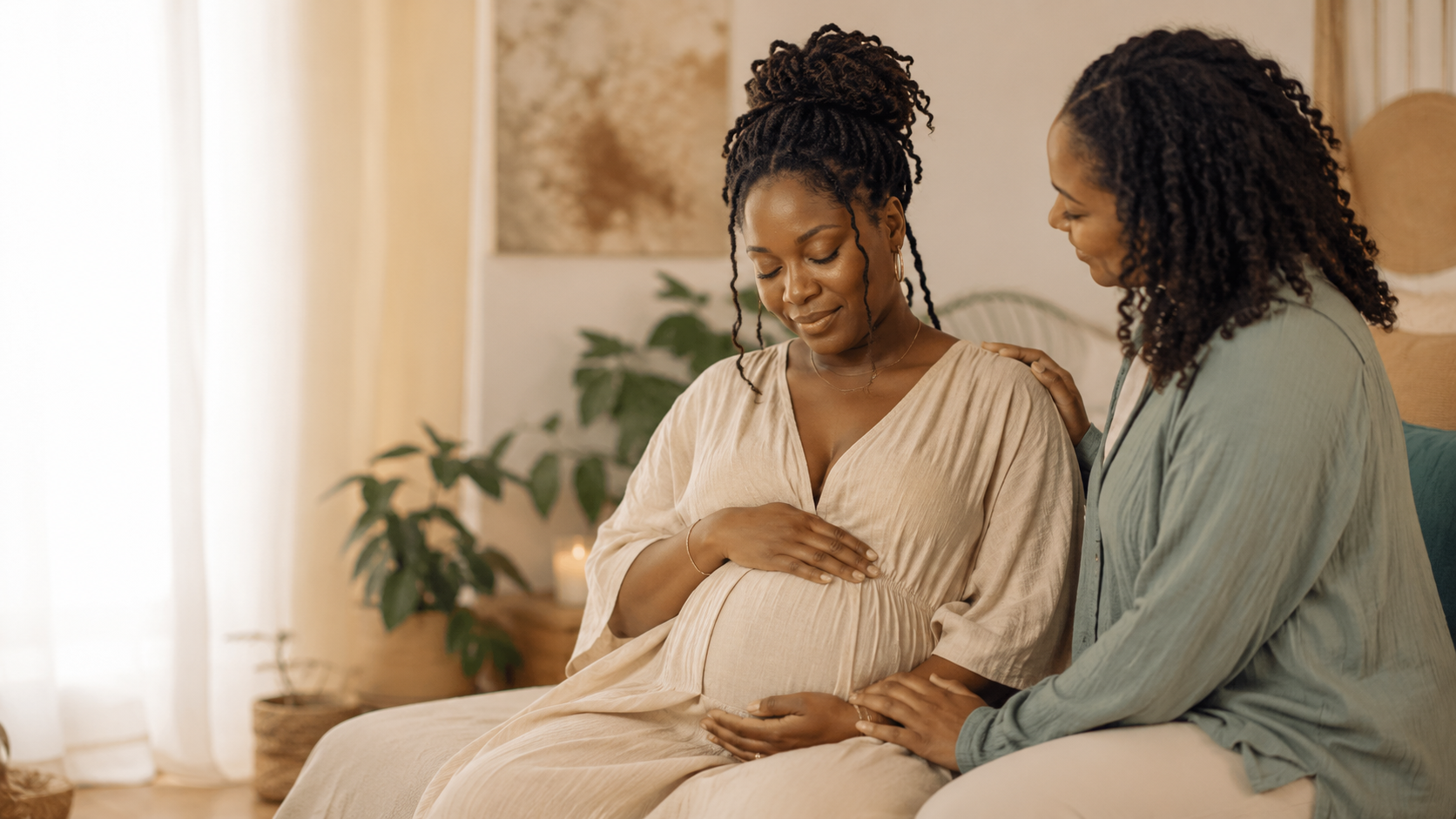
A doula is not there to replace medical staff. A doula is not there to make medical decisions. A doula is not there to speak over the birthing person. A doula is there to support, steady, inform, encourage, and help protect the birthing person’s voice.
In the height of labor, even the strongest person may find it hard to ask, “What are my options?” or “Can we have more time?” or “Is this medically necessary right now?” A doula can help create space for those questions. A doula can remind the birthing person of their preferences. A doula can support the partner, observe the emotional tone of the room, and help the birthing person feel less alone.
This is not about going back to some romanticized version of the past. It is about moving forward into a better model of care — one where birth is respected as a normal physiological process, and medical care is available when it is truly needed.
I believe birth should be protected, not controlled.
I believe the birthing person should be seen as the authority of their own body.
I believe hospitals can be life-saving, but they should not automatically become places where autonomy disappears.
And I believe doulas are part of the bridge between these two truths: honoring the natural process of birth while also respecting the role of medical care when complications arise.
Birth is powerful. Birth is vulnerable. Birth is sacred. And every person deserves to feel informed, supported, respected, and heard as they bring life into the world.
Erika Harrison
Cincinnati-based doula supporting families through pregnancy, birth, and beyond.
More to read
Learn what Perinatal Mood and Anxiety Disorders (PMADs) are, who may be at higher risk, and how recognizing the signs can help families find the support they need.
Every mother deserves to be heard. Discover why evidence-based care, informed choices, and respectful maternity care can save lives.